Meditation Teacher Training in Kerala: What to Know Before You Go
TL;DR


Most people searching for meditation teacher training in India picture Rishikesh. The Ganges. Ashrams stacked along the riverbank. Hundreds of schools competing for the same students in the same stretch of road.
Kerala is different. It sits at the southern tip of India, tropical and coastal, with a pace that suits longer stays. The landscape is jungle, backwaters, and sea rather than mountains and riverbeds. And while Rishikesh dominates the yoga teacher training market, it has not done the same for meditation. That gap is one reason serious practitioners have started looking south.
What Is a Meditation Teacher Training?
A meditation teacher training is a structured, residential program that typically runs 200 or more hours. It combines daily meditation practice, yoga philosophy, pranayama, neuroscience of meditation, and supervised teaching. The goal is not relaxation. It is knowledge, technique, and the ability to guide others.
A meditation TTC is not a retreat with workshops added on. The schedule starts early, the theory blocks are dense, and by the second week you are expected to lead sessions yourself. Most accredited programs also include pranayama and asana as supporting practices. Certification is typically issued through Yoga Alliance (RYT 200), giving graduates an internationally recognised teaching credential.
What Programs in Kerala Typically Cover
The curriculum varies by school, but most accredited programs in Kerala share a similar structure.
Theory
Yoga philosophy forms the backbone. You can expect to study the Yoga Sutras of Patanjali, the concept of the nadis and pancha koshas, and the broader traditions that feed into meditation: Advaita Vedanta, Classic Yoga, Buddhism, and Taoism. Neuroscience of meditation has become standard, covering how sustained practice changes brain structure and nervous system regulation. Research published in peer-reviewed journals documents measurable reductions in psychological stress with consistent practice over 12 weeks. Understanding this gives you credibility with secular students who need a science frame before they can engage with the practice.
Technique
Programs vary most in how many techniques they cover. A non-dogmatic program will move through breath awareness, mantra, yoga nidra, sound healing, self-inquiry, walking meditation, and movement meditation. A tradition-specific program will go deep on one or two methods. Neither approach is inherently better. It depends on the kind of teacher you want to become.
Teaching Practice
This is where most people underestimate the difficulty. Knowing a technique and being able to guide someone through it are different skills. Good programs include sequencing theory, group facilitation, and multiple rounds of supervised teaching with feedback. Expect to feel uncomfortable. That discomfort is where the skill builds.
Kerala vs Rishikesh: What the Difference Actually Means
Both regions have schools worth attending. The real difference is environmental and cultural.
Rishikesh is cold in winter, crowded year-round, and saturated with schools. It is hard to know who is serious and who opened two years ago on a small budget. The ashram culture is real and the traditions run deep, but significant research is required to find programs that deliver on what they promise.
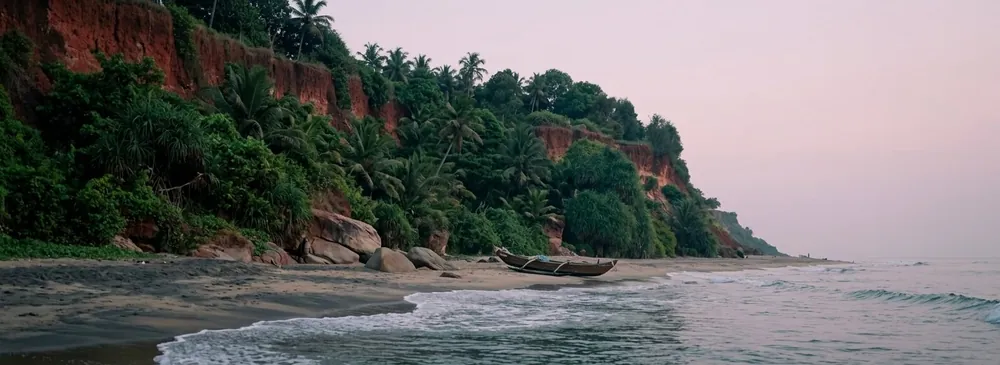
Kerala runs warmer and slower. Schools are fewer, which makes them easier to evaluate. Varkala is a small cliffside town close enough to Thiruvananthapuram international airport to reach without a long domestic connection, but quiet enough that the daily schedule of a teacher training is not competing with tourist noise.
One honest note: if your goal is deep immersion in the Himalayan yoga traditions, Rishikesh makes more sense. If your goal is solid certification, a varied curriculum, and a coastal environment that supports a disciplined schedule, Kerala holds up well.
What to Look for Before You Commit
Not all programs are equal. These are the things that actually matter.
Yoga Alliance accreditation. A Yoga Alliance RYS 200 designation means the program meets an internationally recognised minimum standard for curriculum, teaching hours, and faculty. Without it, your certificate carries less weight outside India.
Curriculum depth and honesty. A good school can tell you exactly what techniques you will cover, how many teaching hours you will complete, and what the student-to-teacher ratio is. If the website is vague about curriculum, that vagueness usually reflects the program itself.
Non-dogmatic vs tradition-specific. Some programs are rooted in a single lineage. Others draw from multiple traditions. If you want to teach a diverse student base, broader exposure is generally more useful. If you are drawn to a specific practice, go deep on it.
What is included in the price. Accommodation, meals, and materials vary significantly. A program that looks expensive might include everything. One that looks cheaper might not include accommodation. Read the details before comparing prices.
If you are considering training in Varkala, the Omunity 21-Day Meditation and Pranayama Teacher Training offers a Yoga Alliance certified 200-hour program covering meditation across traditions, pranayama, yoga philosophy, and supervised teaching practice.
For a broader picture of what becoming a meditation teacher involves, the guide on how to become a meditation teacher covers the full path from practice to certification.
Frequently Asked Questions
Do I need prior experience to join a meditation TTC in Kerala?
Most programs expect applicants to have an established personal practice, even if informal. You do not need prior teaching experience. What matters is that you have spent real time with meditation and are not coming to the training to figure out what it is for the first time.
What is the difference between a meditation TTC and a yoga TTC?
A yoga TTC is primarily built around asana. A meditation TTC puts meditation, pranayama, and contemplative theory at the centre. Many meditation programs include asana as a supporting practice, but it is not the main focus. The certification from a meditation TTC qualifies you specifically to teach meditation.
How long does a certification take?
A 200-hour Yoga Alliance certification typically runs 21 to 28 days as a residential intensive. Some schools spread the hours across shorter modules over several months. The intensive format tends to produce stronger integration of the material and a more consistent daily practice rhythm.
Is Varkala a good base for a training?
For most people, yes. It is small enough to stay focused, close to an international airport, and has a temperate coastal climate year-round. It also has enough infrastructure and a community of practitioners without being a tourist centre that pulls attention away from the schedule.
Will a Kerala-based certification be recognised internationally?
If the program is registered with Yoga Alliance (RYS 200), yes. The certification carries the recognition, not the location of the school. What matters is the accreditation.
Lisa is a conscious content writer at Omunity Meditation.
What we offer
From intensive teacher trainings to week-long retreats, we offer programs for every stage of your meditation journey.


200H Meditation & Pranayama Teacher Training
A 21-day intensive teacher training course designed to dive deep into consciousness and learn how to guide others. For yoga practitioners who want to dive deeper into meditation & pranayama and teach it.


Meditation Immersion Program
An intensive 12 day program to dive deep into yourself and discover who you are, through multi-style meditation & pranayama practice.
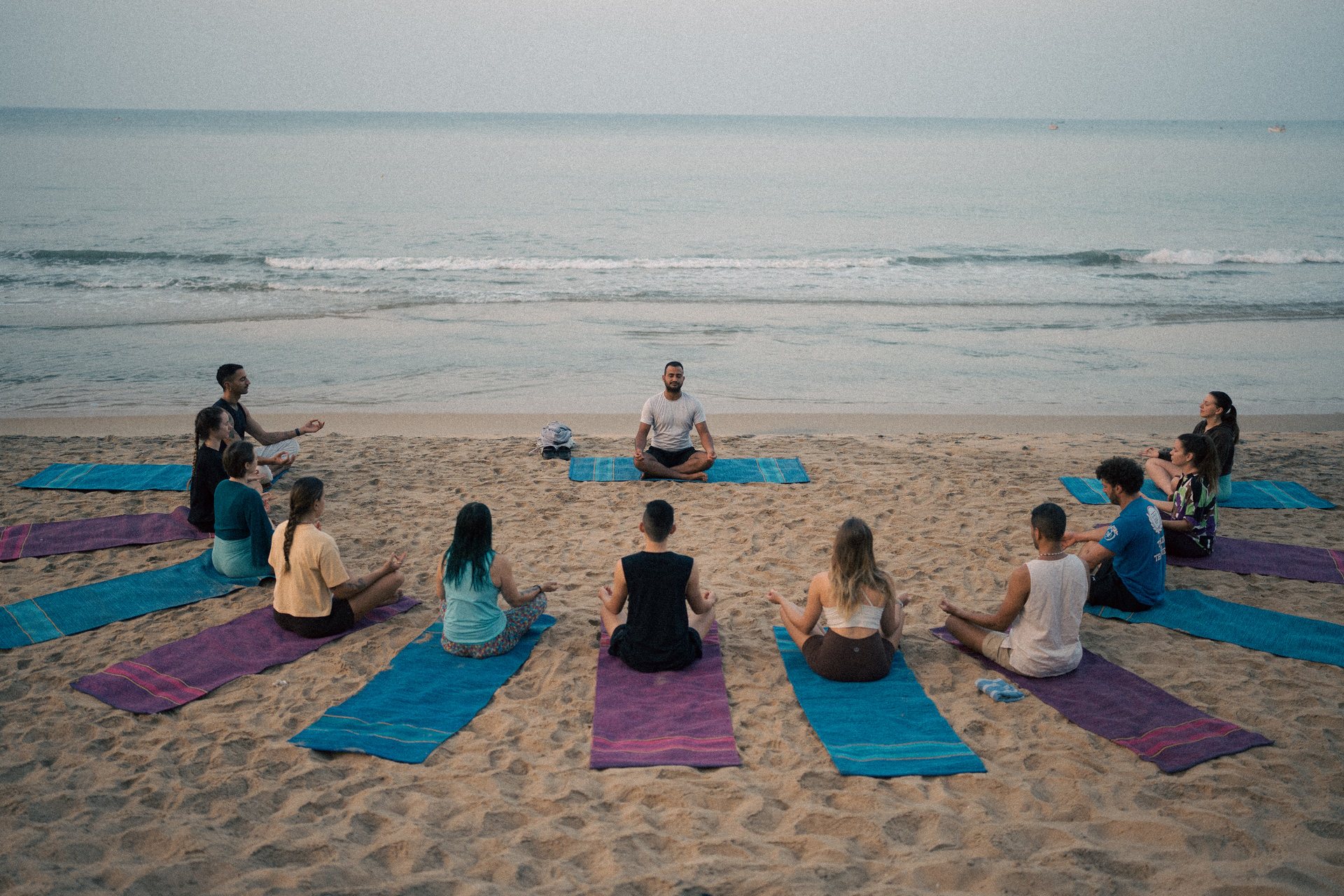

Meditation & Silence Retreat
Take 6 days off of modern life to get back to yourself. Through silence, meditation practice and creative exploration, you will reconnect with who you truly are.
Practice near the ocean and Jungle of Kerala
Omunity Meditation school located in Varkala, a serene cliffside town in Kerala, known for its unique mix of Ayurveda, yoga, beaches, and surf culture. Just minutes from our private campus, you’ll find golden sands, breathtaking cliffs and cosy cafés overlooking the Arabian Sea. Unlike India’s busier tourist hubs, Varkala offers a safe, welcoming atmosphere, ideal for yogis, travelers, and surfers looking for both peace and connection.